What Is a DBT Skills Group Like? What to Expect in Group
When I mention group to people, I often get a panicked look. A lot of people immediately say they would rather learn the skills individually than be in a group. Usually, they are imagining traditional group therapy: sitting in a circle, talking about deeply personal things, or being expected to share past trauma.
That is not what a DBT skills group is like.
A DBT skills group is much more like a class. You are there to learn and practice specific skills, hear how other people are applying them, and then take those skills into your own life between meetings. There is sharing, but it is structured and connected to the material being taught—not open-ended processing of your personal history.
A DBT skills group is more like a class than process therapy
One of the biggest misconceptions about group is that you are going to be asked to disclose things you do not want to talk about.
In a DBT skills group, the focus is the material. Depending on the week, the facilitator may teach one to three skills. Participants practice those skills between groups and then come back the next week to talk about how the homework went.
That structure matters. There simply is not enough time for everyone to do a lot of emotional processing and still teach the material.
There is also something valuable about learning alongside other people. Part of the goal is for clients to see that other people have really big feelings too. It’s not just them. People can learn from one another without the group becoming a place where everyone is expected to tell their most personal stories.
What happens during a 90-minute DBT skills group?
Whether the group is in person or virtual, we start right on time.
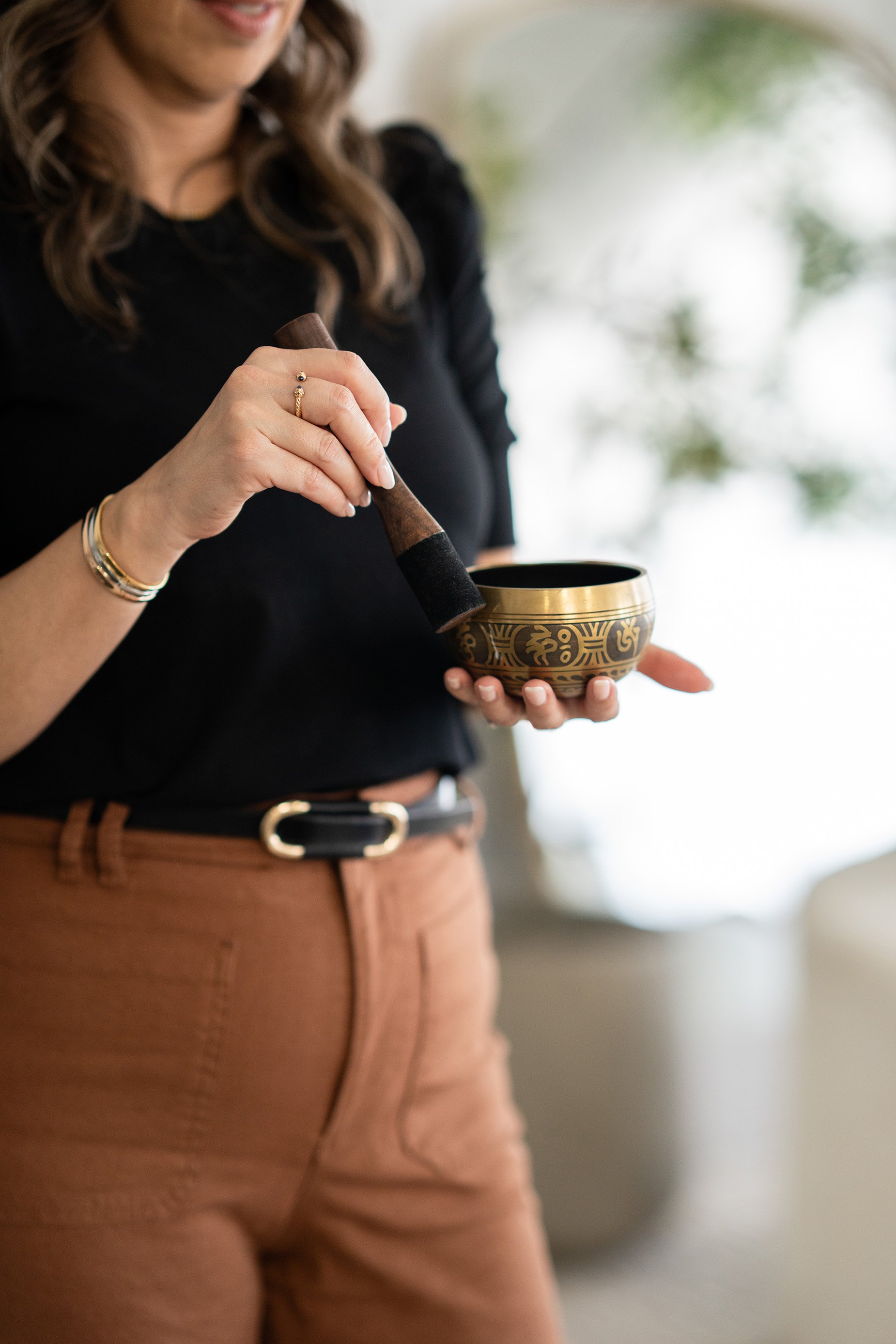
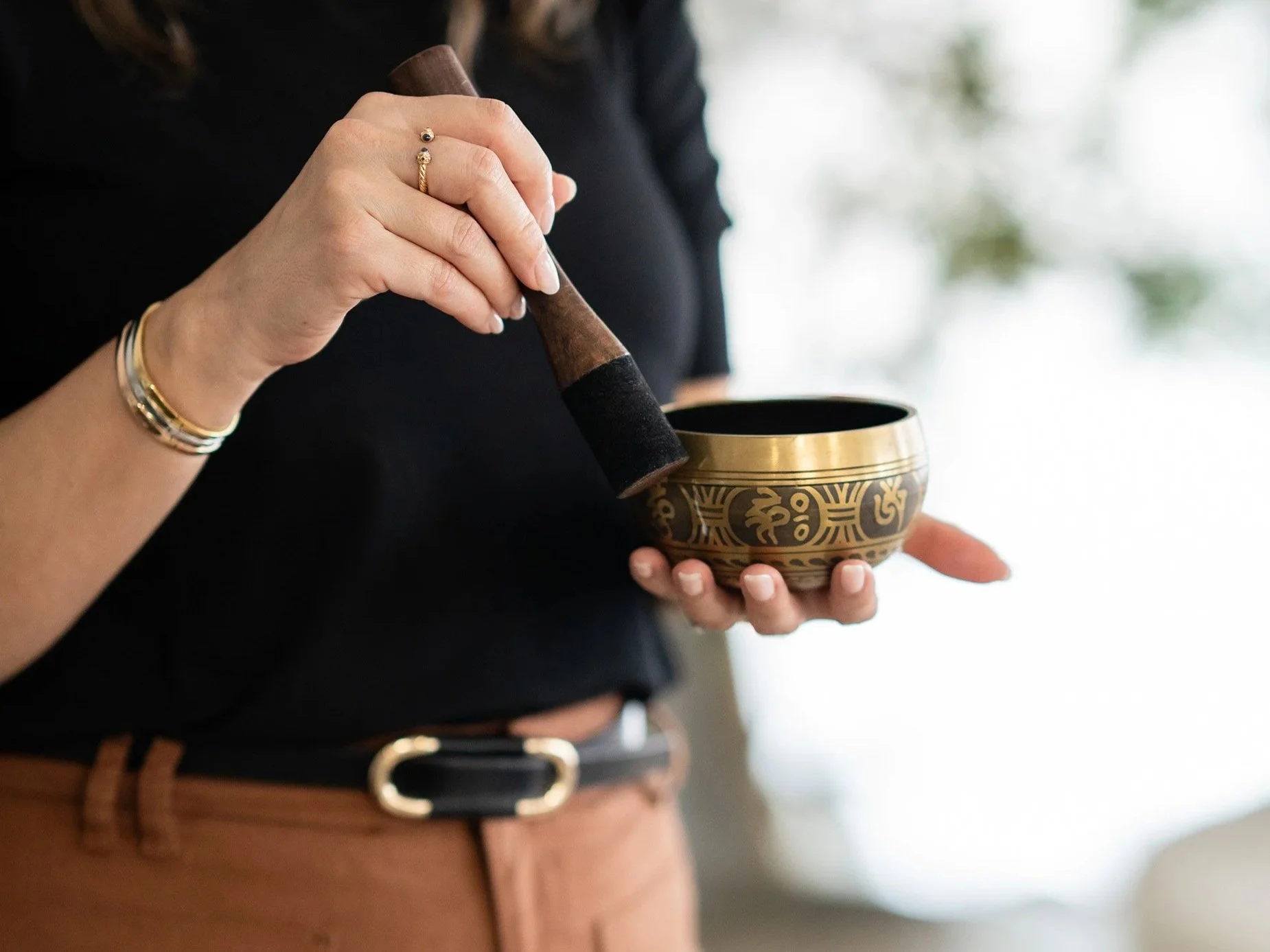
The facilitator rings the mindfulness bell, and everyone takes a moment to settle into group by taking a few deep cleansing breaths. This represents that we are collectively locked in to today's group. From there, the facilitator leads a mindfulness activity focused on one or more core mindfulness skills; this could mean something like writing with your non-dominant hand, observing your breath, or counting colors in a painting. That usually lasts about five to ten minutes.
After mindfulness, everyone does a one-word check-in—usually one or two feeling words that describe how they are feeling in that exact moment. There are no follow-up questions about why you feel that way or what is going on in your life. This is just to get you into the habit of noticing and labeling your emotions.
Then we review the previous week’s homework. Most people take a turn sharing how they practiced the skill and getting feedback from the facilitator, and sometimes from other group members.
Once homework review is finished, the facilitator teaches that day’s material, assigns the homework pages for the week, and closes the group with a few deep breaths and the mindfulness bell again.
That predictable structure is one reason a DBT skills group tends to feel very different from what people imagine when they hear the word “group.”
What skills do you learn?
The material in group comes from four DBT modules:
Mindfulness
Interpersonal Effectiveness
Emotion Regulation
Distress Tolerance
These are not abstract concepts. The goal is to use them in actual situations.
Mindfulness skills might help a parent slow down before talking to a teenager who was just caught skipping school, so the conversation is calmer and less judgmental.
An Interpersonal Effectiveness skill like DEAR MAN can help when you need to ask for something—like talking to roommates about keeping up with agreed-upon chores.
An Emotion Regulation skill like Opposite Action can help when an emotion is pushing you toward a behavior that may make things worse. Someone with social anxiety, for example, might practice Opposite Action by attending a friend’s birthday party even though anxiety is telling them to stay home.
Distress Tolerance skills are useful in crisis or highly dysregulating situations, when the immediate goal is to get through the moment without engaging in a behavior that makes things worse.
How much do you have to share in a DBT skills group?
You are expected to participate, but that does not mean you are pressured to disclose deeply personal information.
Most sharing is related to homework. Over time, people naturally tend to share more about themselves as they become comfortable with one another, but there is no pressure to “share” simply for the sake of sharing.
We are also careful about how high-risk behaviors are discussed. Clients do not describe past incidents of self-harm or other high-risk behaviors in detail. Instead, we use the term target behavior. Someone might say that they felt depressed and hopeless over the weekend and wanted to engage in their target behavior without naming or describing the behavior itself.
This is especially important for parents who worry about what their teenager may hear or be exposed to in group.
Confidentiality is discussed more than once throughout treatment. Clients are expected not to share other group members’ names or personal information outside the group.
Yes, there is homework between group sessions
The group is not meant to be something you attend for 90 minutes and then forget about until the next week.
Participants receive worksheets at each DBT skills group meeting and are expected to practice the skills between sessions. The next homework review is where you can talk about what happened when you actually tried the skill.
For clients who are also participating in comprehensive DBT, there may be additional work during the week, including a daily diary card, individual therapy homework, and coaching calls as needed.
There is a lot of thinking about DBT throughout the week. That practice is part of learning how to use the skills when you actually need them.
What usually surprises people about DBT skills group?
Usually, people tell me it wasn’t as bad as they imagined.
People sometimes come in judging the group because they think the other members are too young or too old, and then discover that they can learn a lot from one another. Because groups are on rolling admission, the makeup of the group can change during the six months of treatment.
By the end, I often hear people express gratitude and say that DBT was extremely helpful.
If the idea of group makes you nervous, that reaction is not unusual. But a DBT skills group is not about putting you on the spot or asking you to tell strangers your most personal experiences. It is structured, skills-focused, and designed to help you practice concrete tools you can take into real life.
If you are wondering whether a comprehensive DBT program is a good fit for you, the first step is an evaluation so we can talk about what kind of support makes the most sense.